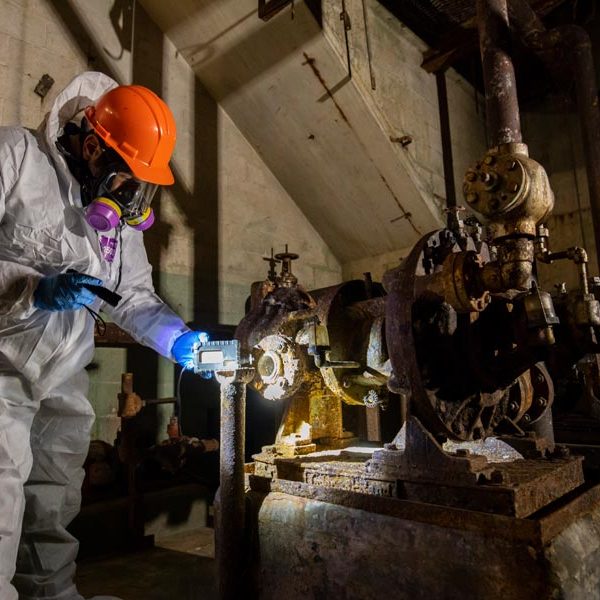
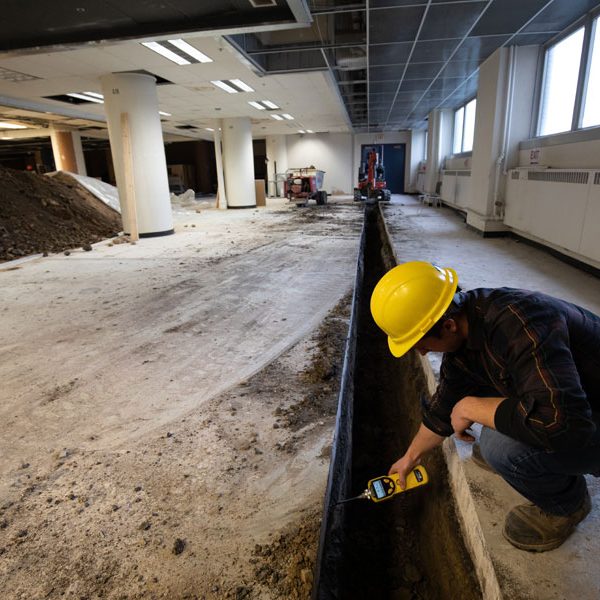
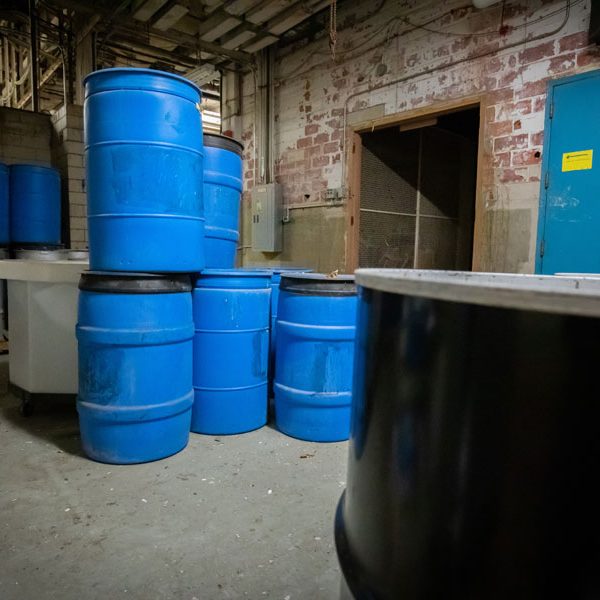
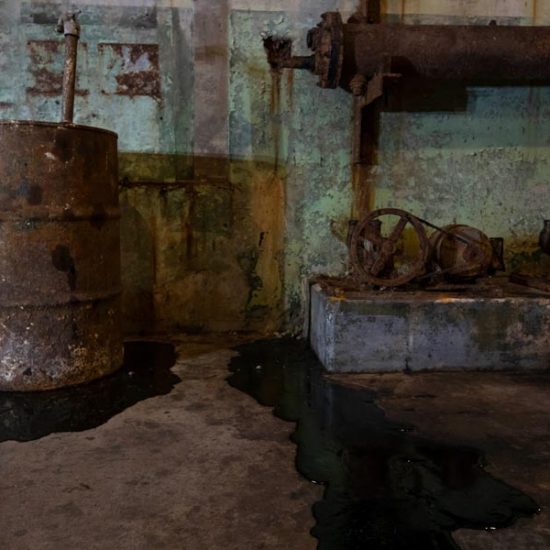
A broad range of substances and building materials can be hazardous to human health and/or the environment. Some of the more common hazardous materials encountered at facilities include asbestos, lead (painted surfaces, batteries, etc.), mercury (thermostats, fluorescent light tubes, etc.), PCBs, mold growth, ozone-depleting substances, and various chemical products. These materials can become a concern to workers and building occupants if they are disturbed or not managed appropriately.
Employers have a legal obligation to protect their workers from exposure to hazardous materials. These materials also become a concern during renovation and demolition projects, when appropriate work procedures are required by the governing regulations for removal and appropriate disposal. Costly delays can occur if the materials are not identified early and managed appropriately.
AMD has provided solutions to hazardous materials problems on projects ranging from the abatement specifications for asbestos from residential structures, to the complete abatement and remediation design of hazardous materials within hundreds of buildings Western New York prior to demolition and redevelopment.
According to the standards, contractors could continue to install non-friable asbestos until their supplies were exhausted. Depending on when your building was constructed, the only definitive way to know if you have asbestos is to have the building surveyed for asbestos-containing materials (ACM).