
Summer in New York may bring unique environmental challenges for property owners. Rising humidity, intense summer storms, and peak home renovation season create a perfect storm for hidden household hazards. Managing these risks requires a solid understanding of environmental safety and state regulations.
If you’re a property owner, keeping your home or building safe and compliant is a top priority. This guide breaks down how summer conditions affect mold, asbestos, lead, and radon and outlines how AMD Environmental Consultants helps New York property owners navigate these challenges.
Why Summer Weather Conditions Matter for Your Property
Summer weather directly impacts the indoor environment of your home or building. The combination of high heat and moisture creates specific risks that property owners must monitor closely.
Increased Humidity and Summer Storms Fuel Mold Growth
Mold needs two main ingredients to thrive: a food source like drywall or wood and moisture. New York summers are notoriously humid. When outdoor humidity levels soar, indoor air can quickly become damp, especially in unconditioned basements and crawl spaces.
Also, severe summer thunderstorms and flash floods can inundate a property with massive amounts of water within minutes. If this moisture is not quickly dried out, mold spores will activate and begin reproducing.
Renovation Season Elevates Asbestos and Lead Disturbance Risks
Summer is the most popular time for home improvement projects. Property owners frequently use the warm weather to remodel kitchens, tear down old plaster walls, or replace siding.
However, if your New York property was built before 1978, it likely contains lead-based paint. If it was built before the late 1970s or even up into the 1990s, it may contain asbestos in materials like floor tiles, pipe insulation, roofing, or drywall joint compound. Sanding, scraping, or tearing down these materials during a DIY project releases toxic microscopic fibers and dust into the air, endangering the occupants and the neighbors.
The Truth About Radon Misconceptions in the Summer
Many property owners believe radon is only a winter problem. The logic seems sound: we close our homes tightly in the winter, trapping gases inside, while in the summer we open windows.
In reality, summer radon levels can fluctuate significantly. Running air conditioning units creates a closed-house environment similar to winter. Additionally, the stack effect, where warm air rises and escapes through the upper levels of a house, can pull radon gas out of the soil and into your basement even during the summer months.
New York Environmental Regulatory Highlights
New York maintains some of the strictest environmental compliance laws in the nation to protect public health. Violating these regulations can lead to severe fines and legal liabilities.
Asbestos Work Notifications and Licensed Contractors
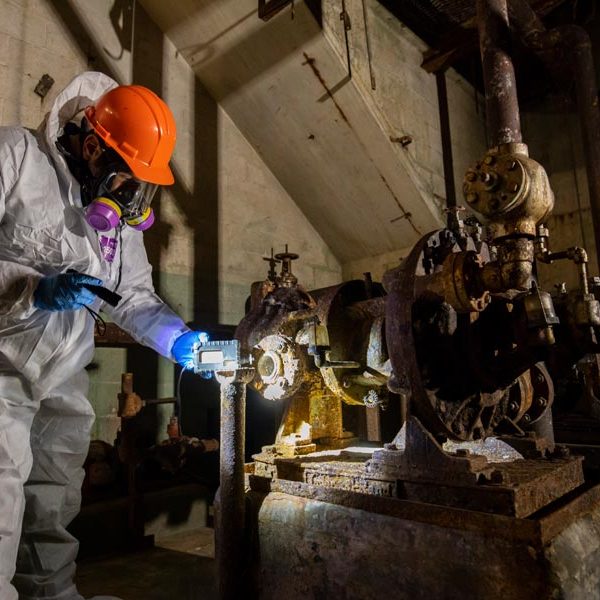
The New York State Department of Labor and the Department of Health strictly regulate asbestos handling. In New York, any project that disturbs asbestos-containing materials must be handled by a licensed asbestos abatement contractor. Property owners are generally required to have an independent certified inspector conduct an asbestos survey prior to any demolition or renovation work. Large-scale projects also require official notifications to the state before work can begin.
Lead Safe Renovation Rules
Under the Environmental Protection Agency Renovation Repair and Painting rule, contractors working in older homes, schools, or child-occupied facilities must be certified and use specific lead-safe work practices. New York State and local municipalities like New York City and Buffalo have additional strict protocols regarding lead paint inspections and tenant notifications, particularly when young children reside in the building.
Mold-Related Responsibilities for Owners and Tenants
New York State Labor Law establishes clear rules for mold assessments and remediation. If a mold remediation project covers more than ten square feet, property owners must hire a licensed independent mold assessor to identify the source and write a remediation plan. A separate licensed mold remediation contractor must then perform the cleanup. The same company cannot perform both the assessment and the remediation on the same project, ensuring a fair, unbiased process. AMD Environmental Consultants’ experienced team has consulted on small- and large-scale projects for decades, and we understand the details that help property owners maintain compliance.
Your Actionable Summer Environmental Safety Checklist
Preventing exposure to environmental hazards requires proactive property maintenance. Use this checklist to keep your property safe this summer.
- Control Indoor Humidity: Maintain indoor relative humidity below 60%. Utilize air conditioners and heavy-duty dehumidifiers in basements and crawl spaces. Ensure bathrooms and kitchens vent directly to the outdoors (we often see this done incorrectly).
- Inspect for Moisture After Storms: Routinely check your roof, attic, basement, and foundation walls for water seepage or flash-flood damage immediately after heavy rainfall.
- Dry Water Damage Fast: Completely dry or remove water-damaged building materials within 24 to 48 hours to prevent mold spores from colonizing. If the damage is widespread, call an expert immediately.
- Screen Before You Renovate: Never assume a material is safe because of its appearance. Test suspected surfaces for lead paint and asbestos-containing materials before demolition.
- Practice Safe Interim Measures: If you must wait for professional abatement, isolate the affected areas using heavy plastic sheeting. Clean surrounding areas with a certified HEPA-filter vacuum and wear appropriate personal protective equipment, including a protective respirator.
- Test for Radon Gas: Do not skip radon testing in the summer. Use a short- or long-term testing device during a period when windows remain closed to obtain the most accurate baseline reading.
- Keep Impeccable Records: Document all property inspections, lab test results, contractor certifications, and state notifications. This paperwork protects your property’s value and provides proof of legal compliance.
Common Summer Scenarios and Quick Fixes
Property owners frequently encounter specific environmental dilemmas during June, July, and August. Knowing how to react can prevent a minor issue from becoming a costly, hazardous disaster (trust us, we see small issues become big ones ALL the time).
Post-Storm Mold Hotspots
After a basement flood, owners often pump out the water but leave the damp drywall intact. This creates a massive mold hotspot within days.
The Fix: Cut away waterlogged drywall at least 12 inches above the high-water mark and discard damp carpeting. Run commercial-grade dehumidifiers and fans to completely dry the structural framing.
Air Conditioning and HVAC Mold Spread
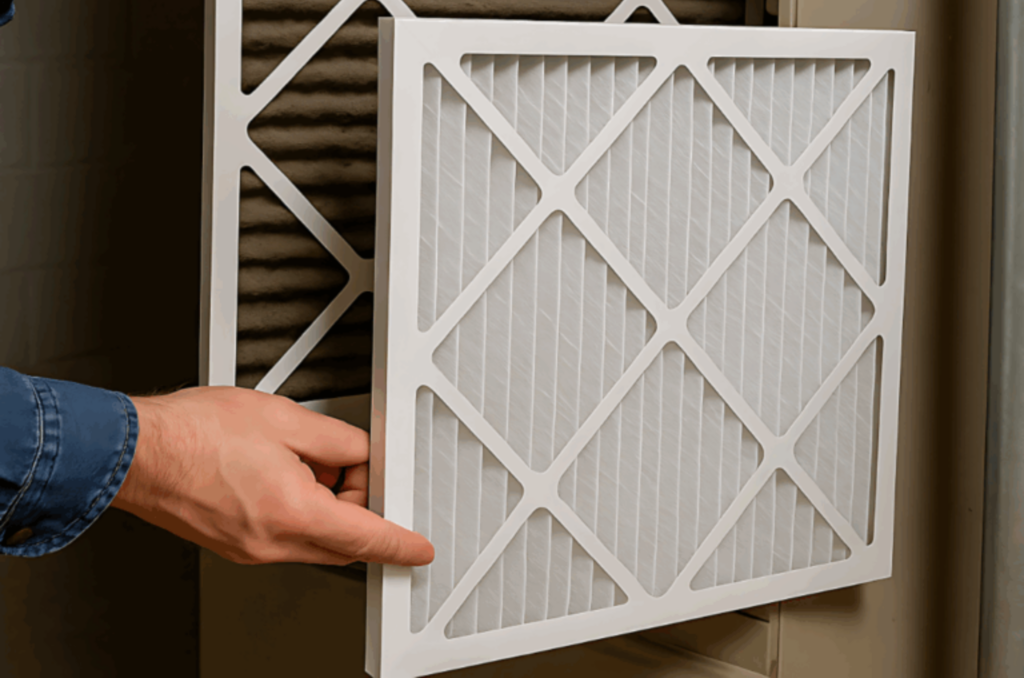
If an air conditioning system has a blocked condensate drain line (a small pipe connected to your HVAC system that safely removes moisture), water can pool inside the ductwork or air-handling unit. The system then blows mold spores throughout the entire building structure.
The Fix: Clean and clear AC drain lines every spring. Replace air filters monthly during peak summer usage and have your ductwork inspected if you notice a musty odor when the cooling system kicks on.
Renovation Prep Disturbances
A homeowner decides to remove old vinyl kitchen flooring to lay down modern tile, assuming it is a simple cosmetic upgrade. They scrape up the old adhesive layer, releasing chrysotile asbestos fibers into the kitchen.
The Fix: Stop work immediately if you uncover hidden layers of flooring or pipe insulation. Keep the area damp to prevent dust from rising, close off the room, and call AMD Environmental Consultants to test the material before proceeding.
Real New York Case Study: Compliance in Action
A property management company overseeing a multi-family residential building in Erie County planned a major summer renovation of the hallways. Before allowing contractors to begin work, the property managers contacted AMD Environmental Consultants to conduct a pre-renovation environmental survey.
Our certified inspectors identified lead-based paint on the door frames and asbestos within the old textured ceiling plaster. Because the building was fully occupied by tenants, a careless renovation would have caused widespread contamination and massive regulatory fines.
AMD Environmental Consultants drafted a precise variance and project design blueprint. A licensed abatement contractor safely removed the hazardous materials using negative-pressure enclosures. Following the cleanup, AMD performed rigorous air clearance testing and visual inspections to verify the environment was completely safe.
We provided the property managers with comprehensive compliance documentation. This proactive approach kept the tenants safe, avoided thousands of dollars in potential state penalties, and allowed the renovation to finish on schedule.
Next Steps and Professional Resources
Maintaining a clean, compliant property requires relying on verified experts and official state guidelines.
Official New York State and Federal Resources
- New York State Department of Health: Provides comprehensive updates on mold regulations and tenant rights.
- NYSDOH Radon Information Program: Access regional radon risk maps and order low-cost testing kits.
- New York State Department of Labor Asbestos Portal: Verify contractor licenses and check project notification rules.
- EPA Renovation Repair and Painting Program: Learn about lead-safe work requirements for older homes.
Protect Your Property with AMD Environmental Consultants
AMD Environmental Consultants provides professional testing and inspection services across New York State, including Niagara Falls, Buffalo, Rochester, and Syracuse.
Contact our team today to schedule your comprehensive summer inspection for mold, asbestos, lead, or radon!