

When homeowners think about keeping their house healthy, they usually focus on the obvious things: cleaning surfaces, vacuuming, or taking out the trash. While those habits certainly help keep a home tidy, many of the factors that influence your health indoors are actually invisible. You can’t always see them, smell them, or notice them right away, but over time, they can affect how comfortable you feel in your own home.
Environmental conditions inside a house play a major role in everyday wellness. Things like humidity levels, ventilation, airflow, and the materials used in your home can influence sleep quality, allergies, headaches, and even overall energy levels. Understanding a few of these hidden factors can help homeowners create a living environment that truly supports their health.
Indoor Humidity: The Balance Most Homes Miss
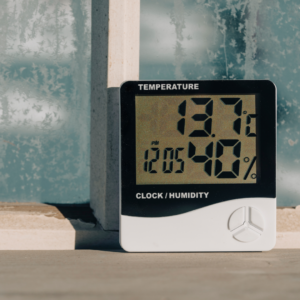 Humidity is one of the most overlooked environmental conditions inside a home. When indoor air contains too much moisture, it can encourage mold growth, dust mites, and musty odors. On the other hand, air that is too dry can irritate the skin, dry out sinuses, and make respiratory symptoms worse.
Most experts recommend maintaining indoor humidity between 30 and 50 percent. Levels above that range can lead to condensation on windows, damp basements, and moisture accumulating in areas such as bathrooms and laundry rooms. Homes with high humidity often feel heavy or muggy, even when the temperature seems comfortable.
Homeowners can monitor humidity levels with a simple hygrometer, an inexpensive device available at most hardware stores.
Running bathroom fans, using kitchen ventilation while cooking, and addressing water leaks promptly can all help keep moisture levels under control.
Ventilation: Why Fresh Air Matters More Than You Think
Modern homes are built to be energy efficient, which often means they are tightly sealed. While this helps reduce heating and cooling costs, it can also limit the amount of fresh air circulating indoors. Without proper ventilation, pollutants, moisture, and odors can become trapped inside the home.
Common indoor pollutants can come from everyday activities such as cooking, cleaning, burning candles, or even using certain building materials and furnishings. When these particles accumulate in stagnant air, people may experience symptoms like headaches, fatigue, or irritation of the eyes and throat.
Simple ventilation habits can make a noticeable difference. Opening windows when the weather allows, using range hoods while cooking, and making sure bathroom fans are functioning properly can help remove stale air and bring in fresh air.
Airflow and Circulation Within the Home
Even in homes with heating and cooling systems, airflow may not always reach every room evenly. Some spaces, especially bedrooms, basements, or rooms with closed doors, can experience stagnant air that feels stuffy or uncomfortable.
Poor airflow can also allow dust and allergens to accumulate in certain areas. Over time, this may contribute to congestion, sneezing, or allergy symptoms for people living in the home.
To improve circulation, homeowners can check that air vents are not blocked by furniture or rugs, replace HVAC filters regularly, and occasionally run ceiling fans to help distribute air more evenly throughout the house.
Off-Gassing From Household Materials
 Many homeowners are surprised to learn that everyday materials inside a home can release small amounts of chemicals into the air. This process, known as off-gassing, can occur with certain paints, adhesives, flooring materials, furniture, and cabinetry.
These emissions tend to be strongest when materials are new, which is why recently renovated homes sometimes have noticeable odors. While these smells usually fade over time, good ventilation during and after renovations can help reduce exposure.
Choosing low-VOC (volatile organic compound) paints and building materials when possible can also help minimize indoor chemical emissions.
Why Paying Attention to the Invisible Matters
A healthy home is about more than what you can see on the surface. Environmental conditions such as humidity, airflow, and ventilation quietly influence the air you breathe every day. When these factors are balanced, homes tend to feel fresher, more comfortable, and easier to live in.
For homeowners, the goal isn’t perfection; it’s awareness. By understanding how these invisible conditions work, small adjustments can make a meaningful difference in the overall health and comfort of your home. Even simple steps like improving ventilation, monitoring humidity, and maintaining HVAC systems can help create a space that supports both your house and the people living inside it.