

The start of a new year brings a renewed focus on health – better routines, cleaner eating, more movement, and less stress. But one area of wellness that’s easy to overlook is the place where we spend most of our time: our homes.
A healthy home isn’t about perfection. It’s about awareness. The air you breathe, the water you drink, and the conditions inside your living space all play a role in how you feel day to day. As the calendar turns, it’s a good time to think beyond resolutions and consider whether your home environment is truly supporting healthier living.
Your Home Environment Matters More Than You Think
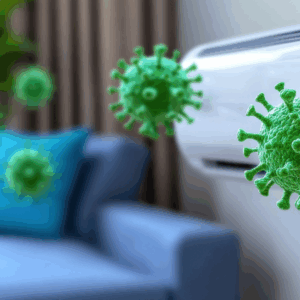 Many environmental factors that affect health aren’t obvious. Unlike clutter or visible damage, issues such as poor indoor air quality or water contaminants often go unnoticed until they begin affecting comfort or well-being.
Indoor air can contain pollutants, allergens, and moisture-related contaminants that quietly impact daily life. Over time, prolonged exposure may contribute to symptoms such as headaches, fatigue, respiratory irritation, or allergy flare-ups.
Understanding what’s happening inside your home is the first step toward creating a space that truly supports long-term wellness.
Indoor Air: The Foundation of a Healthier Home
Air quality is one of the most important — and often overlooked — components of home health. Common contributors to poor indoor air include dust, allergens, moisture intrusion, inadequate ventilation, and hidden mold growth.
Homeowners can take practical steps such as:
- Replacing HVAC filters regularly
- Improving ventilation in kitchens and bathrooms
- Managing indoor humidity levels
- Addressing leaks or water intrusion promptly
When air quality concerns persist, professional evaluation can help identify underlying issues that aren’t visible. AMD offers Indoor Air Quality Testing and Assessments designed to help homeowners better understand what they’re breathing every day.
Water Quality and Everyday Wellness
Clean water is essential to daily life. Even when water appears clear and tastes normal, contaminants may still be present depending on plumbing materials, water sources, or environmental conditions.
Testing household water provides valuable insight and helps homeowners make informed decisions about filtration, treatment, or maintenance. AMD provides Water Quality Testing Services (lead testing in particular) to evaluate potential concerns and support safer, healthier water use at home.
Moisture, Mold, and Early Awareness
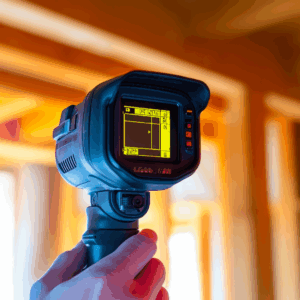 Moisture issues are one of the most common contributors to indoor environmental problems. Small leaks, condensation, or poorly ventilated spaces can create conditions that allow mold to develop over time, often behind walls, under flooring, or in basements and crawl spaces.
Early detection is key. Addressing moisture and mold concerns promptly helps protect indoor air quality, building materials, and occupant health. AMD offers Mold Inspections and Testing to identify potential issues before they escalate.
Making Home Health Part of Your New Year Mindset
The new year is an opportunity to be proactive rather than reactive. Just as routine health checkups help identify issues early, environmental evaluations can reveal hidden conditions within your home.
AMD’s Residential Environmental Consulting Services are designed to give homeowners clear, actionable information — not guesswork — about their living environment.
Looking Ahead: Healthier Living Starts Where You Live
The environment inside your home plays a part in how you feel, sleep, and function every day.
As you set intentions for the year ahead, consider whether your home is truly supporting those goals. A healthier home isn’t just an improvement — it’s an investment in your well-being.
At AMD Environmental Consultants, we help homeowners gain a clearer understanding of their indoor environment through professional assessment, testing, and expert guidance. If starting the new year with a healthier living space is part of your plan, our team is here to help.
Contact AMD Environmental Consultants if you suspect poor indoor air quality or potential mold issues, and take the first step toward a healthier home.