

As winter loosens its grip and temperatures begin to rise, the thaw can bring more than puddles and muddy yards. Across the country, melting snow and spring rains combine to saturate soil, overwhelm drainage systems, and expose hidden damage inside homes.
For homeowners, this is one of the most important times of year to pay attention.
Why the Thaw Creates Problems
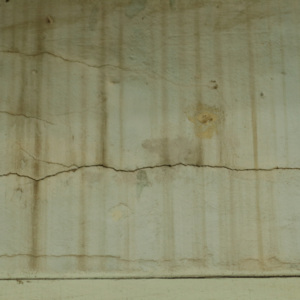 When frozen ground begins to soften, it can’t absorb water efficiently at first. Snowmelt and rain have nowhere to go, so they move sideways. That water often finds its way through:
- Hairline foundation cracks
- Basement window wells
- Aging sump pump systems
- Gaps around utility penetrations
- Roofing damage caused by ice dams
Even small amounts of water intrusion can escalate into a larger issue within 24–48 hours. Wet drywall, insulation, wood framing, and carpeting create the perfect environment for mold growth.
And the problem? It often starts where you can’t see it.
Practical Steps Homeowners Should Take During Thaw Season
 Here’s what you can do now to protect your home:
Check Your Basement or Crawl Space Weekly
Look for:
- Damp spots on walls or floors
- Efflorescence (salt deposits or white powder on concrete)
- Musty or earthy odors
- Warped baseboards or bubbling paint
If something smells “off,” trust that instinct.
Test Your Sump Pump
Pour a bucket of water into the pit to make sure it activates properly.
Consider a battery backup system if you don’t already have one; power outages during spring storms are common.
Inspect Exterior Drainage
- Make sure downspouts extend at least 4–6 feet from the foundation.
- Clear debris from gutters.
- Check that soil slopes away from the home.
Look Up — Not Just Down
Ice dam damage and winter roof stress can cause slow attic leaks.
Check ceilings for:
- New stains
- Peeling paint
- Subtle discoloration
Attic condensation can also lead to hidden mold growth as temperatures fluctuate.
When to Call a Professional
 If you notice staining, persistent moisture, or a musty odor that won’t go away, it’s important to investigate before visible mold spreads or materials deteriorate further.
Professional environmental testing can:
- Identify hidden mold growth
- Determine moisture sources
- Assess air quality concerns
- Evaluate potential asbestos or lead disturbance if materials were damaged
- Provide clear, unbiased remediation guidance
At AMD Environmental Consultants, we help homeowners understand exactly what’s happening behind walls, under flooring, and inside air systems so small seasonal issues don’t become major structural or health concerns.
Don’t Wait for Visible Mold
Spring thaw issues rarely announce themselves loudly. They start quietly — a faint odor, a damp corner, a subtle stain.
Catching problems early means:
- Lower remediation costs
- Less material removal
- Reduced exposure risks
- Peace of mind heading into humid summer months
As the snow melts and the rain begins, take a few proactive steps. A simple inspection today can prevent a much bigger problem tomorrow.
If you have concerns about moisture, mold, asbestos, lead, or hazardous materials in your home, AMD Environmental Consultants is here to help you make informed, safe decisions.