

It started with a simple afternoon drive. The radio was playing, the windows were down, but the air inside the car felt heavy, not with humidity, but with an overwhelming, synthetic “new car” scent. Glancing at the rearview mirror, there it was: a colorful, cardboard tree dangling, doing its best to mask the reality of a collegiate baseball player’s equipment.
A conversation with a teenage driver usually revolves around safety behind the wheel, but how often do parents talk about the safety of the air inside the vehicle? When we ask that question, it becomes clear that while we are hyper-aware of road safety, we often overlook the invisible environmental hazards we bring into our cars and homes.
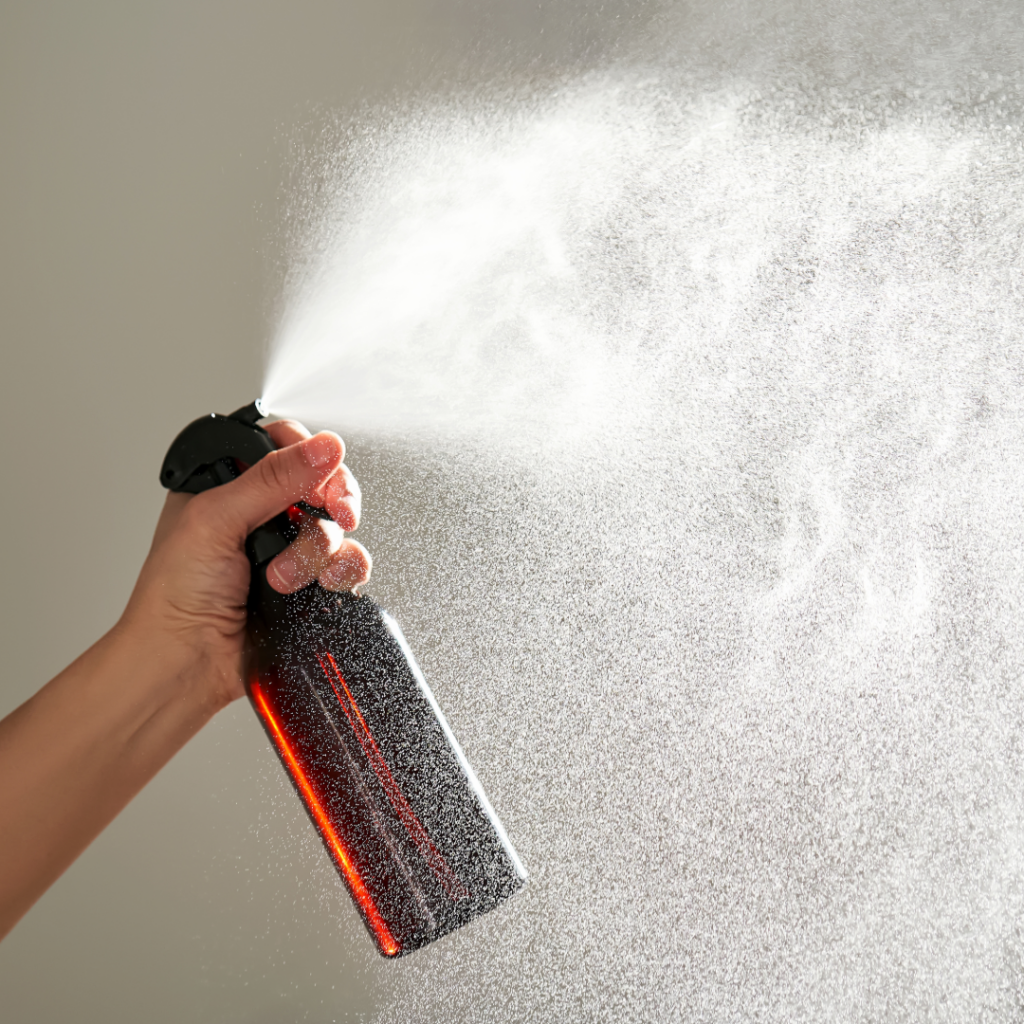
For many homeowners and parents, these air fresheners, plugins, and scented sprays are standard household items. However, at AMD Environmental Consultants, where indoor air quality is a daily focus, the conversation often shifts to what these “fresh” scents are actually adding to our living spaces.
Understanding the “Fresh” Scent: What are VOCs?
When we talk about air fresheners, we aren’t just talking about perfume; we are talking about chemistry. Many of these products work by releasing Volatile Organic Compounds (VOCs) into the air.
VOCs are carbon-containing chemicals that vaporize at room temperature. While the term sounds clinical, they are pervasive in our indoor environments. According to the U.S. Environmental Protection Agency (EPA), breathing VOCs can cause eye, nose, and throat irritation, headaches, loss of coordination, and nausea.
Long-term exposure is where the research gets particularly concerning. Studies published in journals such as the Journal of Environmental Health have indicated that a significant percentage of the population reports health issues, such as respiratory problems and migraines, when exposed to fragranced products.
For parents with young drivers, a car is a small, enclosed space. When a high-concentration air freshener is introduced to that environment, VOC concentrations can be significantly higher than in a larger, ventilated room, potentially increasing the risk of respiratory irritation or other adverse health effects.
Where Scented Products Hide
It isn’t just the dangling trees in our cars. Homes are filled with:
Plug-in scent diffusers: Often left running 24/7, providing a continuous stream of chemicals.
Aerosol sprays: Often used to “neutralize” odors, which in reality just adds a layer of synthetic fragrance over the top.
Car vent clips: Designed to blast fragrance directly into the breathing zone of the driver and passengers.
These items are incredibly popular, but they treat the symptom, the odor, rather than the cause, while simultaneously polluting the indoor air quality (IAQ) we rely on for a healthy home.
Seeking Alternatives: A Breath of Fresh Air
Does this mean your home or car has to smell like nothing? Not at all. Many odor-management options don’t involve pumping synthetic chemicals into your environment.
Focus on Source Removal:
This one’s a no-brainer. The most effective way to improve air quality is to remove the source of the odor. Whether it’s deep-cleaning car upholstery or ensuring proper ventilation in the home, addressing the root cause is better than masking it.
Natural Absorbents:
Materials like charcoal, zeolite, or simple baking soda absorb odors naturally rather than masking them with fragrance.
Ventilation:
Sometimes, the simplest solution is the best. Opening windows to allow for air exchange is one of the most effective ways to lower VOC concentrations in both homes and vehicles.
Disclaimer: AMD Environmental Consultants does not endorse any specific brand, product, or alternative method mentioned above. These suggestions are for educational purposes only and are meant to help you make informed decisions about your indoor air quality. We recommend researching individual products and prioritizing natural, low-emission choices whenever possible.
Want to Learn More About Your Home’s Health?
Your indoor environment plays a massive role in your family’s overall well-being. If you are interested in learning more about how to keep your home safe, check out our other resources:
3 Easy Ways to Improve Indoor Air Quality in Your Home
When Should I Have a Mold Inspection?
Your Home Is Part of Your Health: What’s Really Going On Inside?