

As summer winds down, homeowners will focus on cleaning, landscaping, and preparing for cooler weather. One important task is easy to overlook: checking the home for hidden moisture.
Late summer humidity, changing temperatures, and the first heavy rains can expose problems in basements, crawl spaces, attics, bathrooms, and HVAC systems. A short moisture audit now can help homeowners identify conditions that contribute to mold growth, property damage, and poor indoor air quality.
This three-part checklist takes about two hours to complete.
1. Check the heating and cooling system
Air conditioning removes heat and moisture from indoor air. When the system is operating, it produces condensation that must drain properly.
What to do
- Replace the HVAC filter if it is dirty.
- Locate the condensate drain line near the indoor air conditioning equipment.
- Look for standing water, staining, algae, or musty odors around the unit.
- Confirm that water drains safely and doesn’t collect near the equipment.
- If the drain appears clogged, follow the manufacturer’s instructions or contact a qualified HVAC professional.
A homeowner comfortable with basic maintenance may be able to clear an accessible drain line with a wet/dry vacuum. However, leave electrical components, refrigerant lines, and internal equipment to a qualified technician.
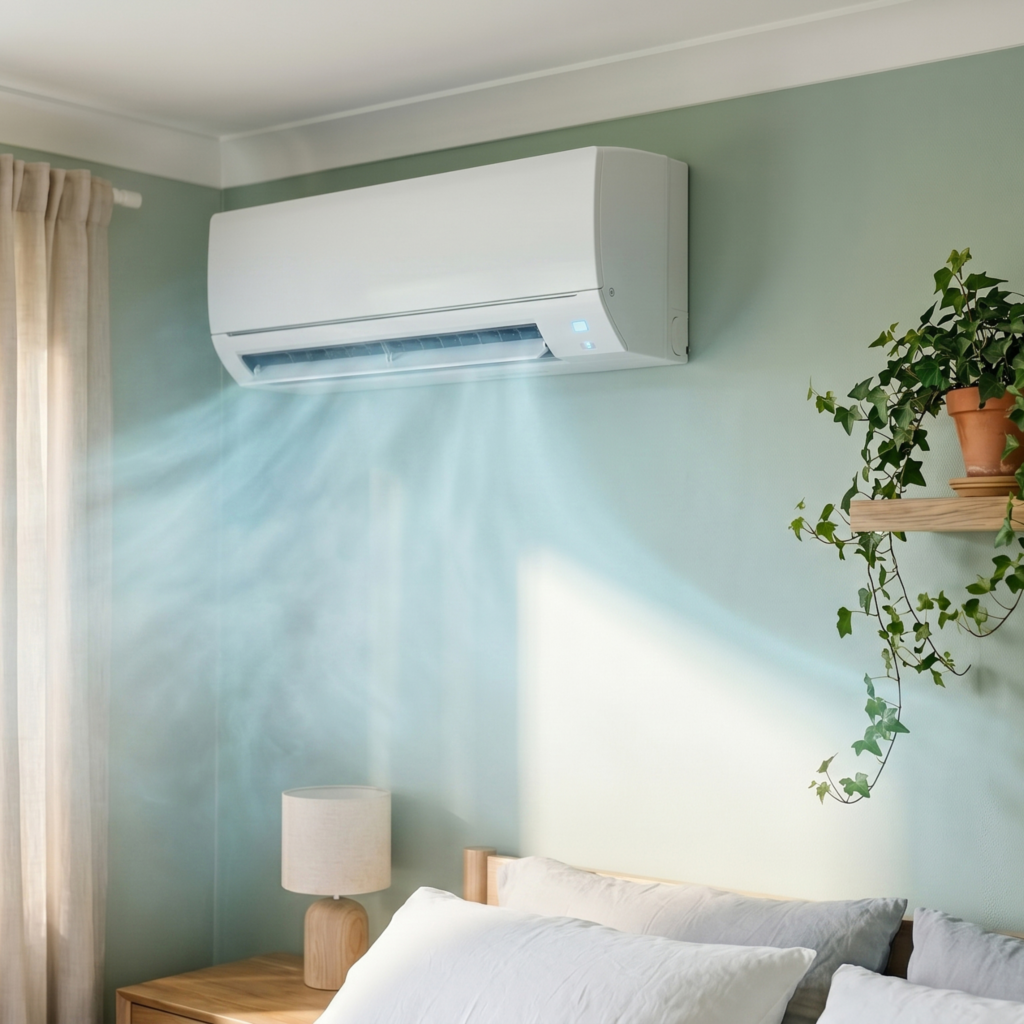
A clogged condensate drain can cause water to back up into the system or surrounding building materials. If those materials remain wet, mold may develop, and indoor air quality may suffer.
2. Inspect the foundation and exterior
Summer vegetation can grow quickly and conceal drainage problems, foundation cracks, or siding damage. Autumn rain can then move that moisture toward the home.
Walk around the entire exterior and check for:
- Gutters filled with leaves, soil, or plant growth.
- Downspouts that discharge water next to the foundation.
- Soil that slopes toward the house instead of away from it.
- Shrubs, vines, or mulch touching the siding.
- Foundation vents blocked by vegetation or debris.
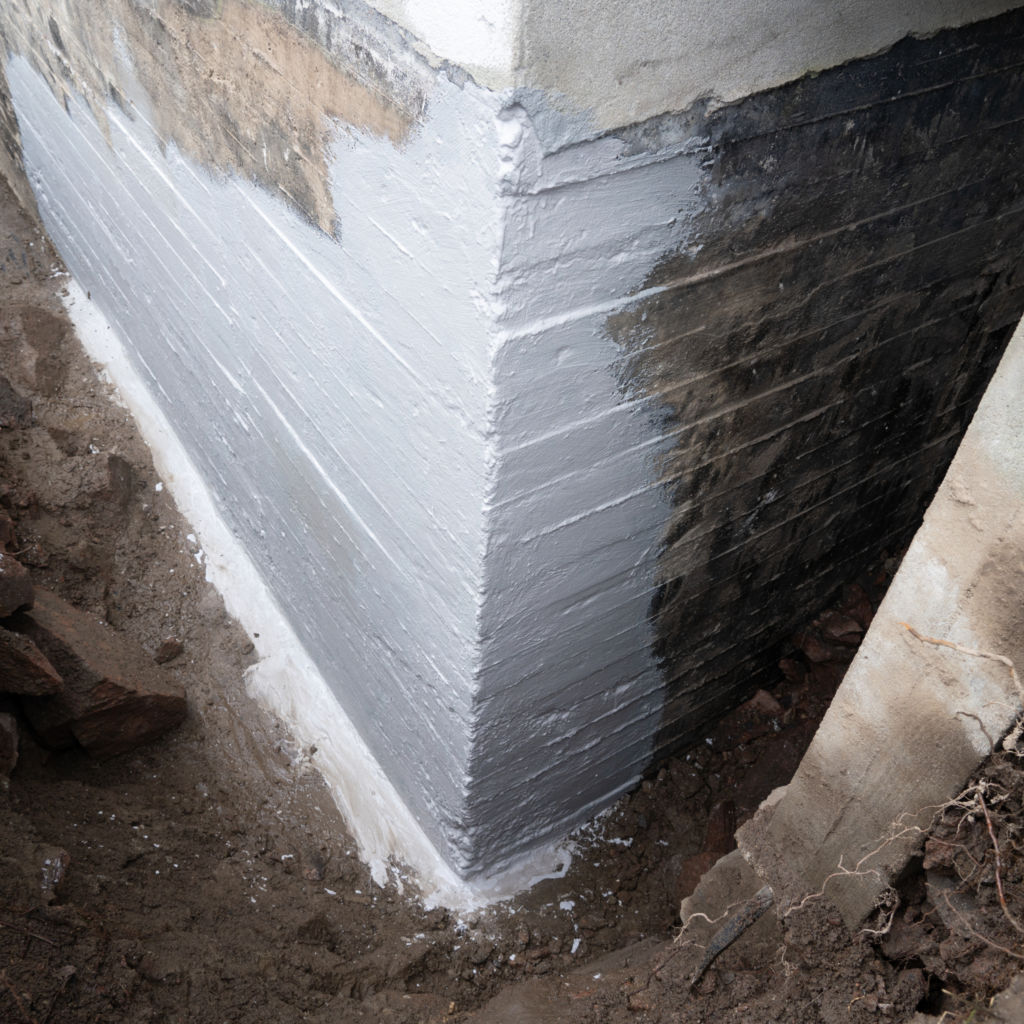
- Cracks, damp areas, peeling paint, or staining near the foundation.
- Water marks beneath windows, doors, or roof edges.
Simple corrections
Clean the gutters and, where practical, make sure downspouts direct water several feet away from the foundation. Trim vegetation away from the siding and foundation vents.
Avoid piling mulch directly against the exterior wall.
Do not seal or cover a crack before determining whether it is allowing water into the home. A qualified professional should evaluate persistent leakage, bowing walls, or significant foundation movement.
3. Measure humidity in damp areas
Some areas of a home are more likely to collect moisture than others. These include basements, crawl spaces, bathrooms, laundry rooms, and attics.
A small, inexpensive humidity meter can help identify problem areas.
Recommended actions
- Check humidity in the basement and crawl space.
- Look for condensation on pipes, ducts, windows, or cold walls.
- Inspect stored belongings for dampness, staining, or a musty odor.
- Confirm that bathroom exhaust fans operate properly.
- Make sure bathroom and kitchen exhaust fans vent outdoors, not into an attic, wall cavity, or crawl space.
- Use a dehumidifier where needed and empty or drain it safely.
The Environmental Protection Agency recommends keeping indoor humidity below 60 percent, ideally between 30 and 50 percent when possible. Elevated humidity can increase the risk of mold and condensation problems.
Don’t cover a musty smell with air freshener. It may indicate hidden moisture or mold growth. Homeowners should investigate the source and correct the water problem before cleaning affected materials.
What to do if you find mold
Small areas of mold on hard, nonporous surfaces can often be cleaned with detergent and water. Then dry the surface completely.
Homeowners should use appropriate protective equipment and avoid disturbing mold unnecessarily. Porous materials such as drywall, insulation, carpet, and ceiling tiles may need to be removed if they are extensively contaminated or remain damp.
Professional help may be appropriate when:
- The affected area is large.
- Mold has returned after cleaning.
- The source of moisture is unknown.
- The home has experienced flooding or sewage contamination.
- Someone in the household has significant allergies, asthma, or other health concerns.
- Mold is present in an HVAC system or inside inaccessible building materials.
Do not paint over mold or wet materials. Paint and sealants do not solve the underlying moisture problem.
Plan carefully before fall renovations
Cooler weather often brings indoor renovation projects. Before sanding, scraping, demolishing, or removing older materials, homeowners should consider lead and asbestos hazards.
Lead paint
Homes built before 1978 may contain lead-based paint. Sanding, scraping, drilling, or demolishing painted surfaces can create hazardous dust.
Before disturbing painted materials:
- Determine the age of the home.
- Have the paint tested when appropriate.
- Use lead-safe work practices.
- Keep children and pregnant individuals away from renovation areas.
- Hire a lead-safe certified contractor for larger projects or work that creates significant dust.
Asbestos-containing materials
Asbestos may be present in some older flooring, ceiling materials, insulation, siding, roofing materials, pipe insulation, and other building products. The material cannot be identified reliably by appearance alone.
Before removing or damaging older materials:
- Stop and identify what you will disturb.
- Do not cut, sand, drill, break, or scrape suspicious materials.
- Arrange for a qualified asbestos professional to evaluate or sample the material.
- Use a properly trained and licensed contractor when removal is required.
Never use a household vacuum or compressed air to clean up suspected asbestos dust.
A practical late summer checklist
Before the heating season begins, homeowners should:
- Replace the HVAC filter.
- Check the condensate drain and surrounding area.
- Clean gutters and redirect downspouts.
- Trim vegetation away from the home.
- Inspect the basement, crawl space, attic, and bathrooms.
- Measure humidity in damp areas.
- Look for condensation, staining, leaks, and musty odors.
- Confirm that exhaust fans vent outdoors.
- Address water problems promptly.
- Test or have a professional evaluate older paint and building materials before renovation.

The main takeaway
Late summer is an ideal time to find and correct moisture problems before cooler temperatures and autumn rain make them worse. Homeowners do not need to inspect every part of the home at once. A focused check of the HVAC system, exterior drainage, and high-humidity areas can reveal many of the conditions that lead to mold and indoor air quality problems.
The most important rule is simple: find the water source, correct it, and dry affected materials as quickly as possible.